Pigeon Net Aftercare in Vijayawada: Keep a Change Log After Painting and Everyday Use
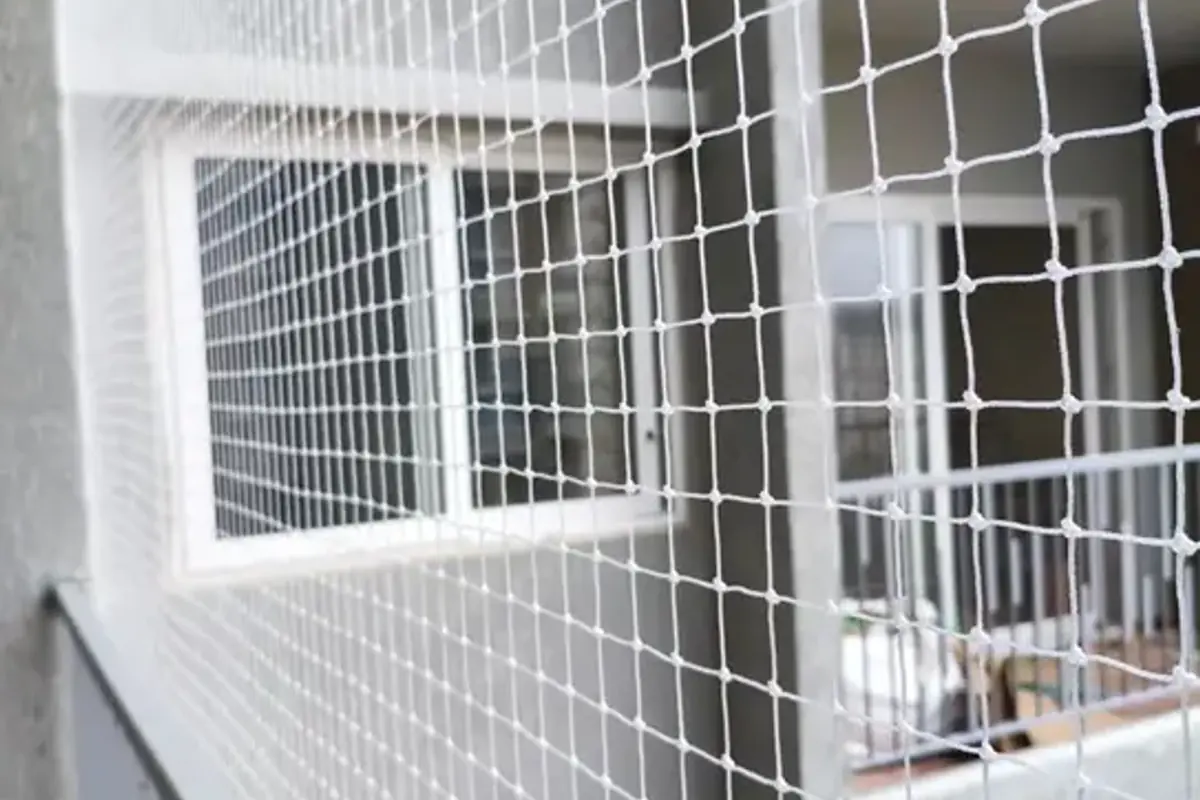
Painting is finished, the tools are gone and the utility balcony looks clean again. Before ordinary use resumes, it is worth checking whether the work changed anything around the pigeon net. A tidy floor does not tell you whether a boundary was opened, a fitting was disturbed or a corner needs attention.
A small change log helps connect what happened in the balcony with what you can now see. It is especially useful when several people share the space and no one remembers exactly when a new gap appeared.
Start with the return-to-use record
If painting or another job involved the net, ask who restored and checked the affected section. Record the work date, the area involved and any follow-up still outstanding. Keep the installer’s instructions with that entry.
From a secure indoor position, take a general photograph of the finished boundary. Include safely visible corners where useful. Do not climb onto a stool, lean over the railing or reach outside for a better picture. Areas you cannot see safely need professional inspection.
A photograph is a reference for noticing change; it is not a test of strength or confirmation that every hidden fixing is sound.
Record changes during normal use
Use a few plain fields: date, location, what changed, any recent work and action taken. “New loose edge beside the pipe after painting” is more informative than “net problem.”
Look for an opened perimeter, broken strands, unusual loose folds, displaced fittings or a section rubbing against newly moved equipment. Also notice whether a drying rack, plant support or stored object has begun contacting the mesh.
Follow the installer’s recommended inspection schedule. Include attention after work that affects the opening, and do not postpone reporting visible damage simply because a calendar reminder has not arrived.
Make wildlife checks part of the routine
Look for birds inside the protected area or caught in loose netting. Check only from a safe position, without pulling the mesh or disturbing an occupied nest. If you see a trapped or distressed bird, keep people and pets away and promptly contact building management and a competent local wildlife rescue service.
The RSPCA’s guidance on wild birds and netting recommends regular checks for trapped birds and damaged netting. This is an animal-welfare principle, not a claim about local legal requirements.
If a bird has entered through a damaged section, do not seal the opening while it remains inside. An exclusion boundary should prevent entry without imprisoning an animal.
Separate observation from repair
Do not cut away paint-covered strands, tighten the net, retie its edge or patch a hole with spare cord. Ask the installer what cleaning method is suitable and whether contamination or damage requires attention.
Pigeon mesh is not fall protection. Never load it, lean on it or use it to support laundry, tools or plants. If damage also affects a railing or supporting surface, stop balcony access and arrange assessment of that concern.
Close each reported issue clearly
Add the response date, the person who attended and any revised care instruction to the log. Keep an issue open until the responsible professional explains what was done and whether further action is needed.
For an assessment of a changed or damaged boundary, contact Eversafe’s pigeon nets service in Vijayawada with your short record and safely taken photographs. Clear observations help the team understand the concern before discussing attendance.
Further reading: Pigeon safety nets for balconies and ducts.
Prepared with AI assistance for Eversafe Safety Nets.


Comments
Post a Comment