Pigeon Safety Nets for Balconies, Ducts, Windows and AC Ledges
EverSafe Bird-Control Guide
Pigeon Safety Nets for Balconies, Ducts, Windows and AC Ledges
Effective pigeon control begins by identifying how the birds land, enter and move—not by covering only the most visible part of the balcony.
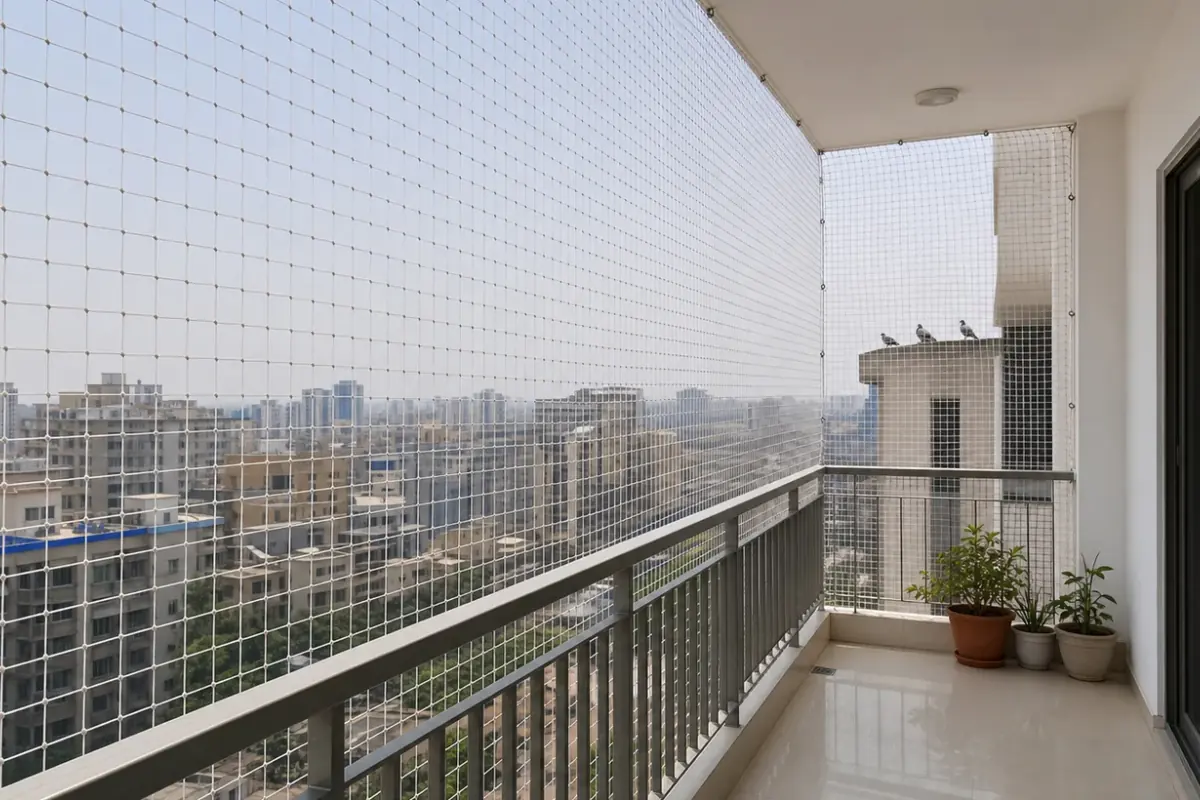
Pigeon nets for balconies create a physical barrier across openings used by birds to enter, roost or nest. Common applications include apartment balconies, windows, AC-unit recesses, utility areas, ducts, service shafts and selected terrace openings.
The installation should follow the actual bird route. Covering the front while leaving an upper corner, AC ledge or pipe-side gap open can allow pigeons to return through a less visible entry point.
Start by identifying the pigeon activity
Landing
Pigeons briefly sit on a narrow ledge, beam, railing or AC unit without entering the balcony.
Entry
Birds move through a balcony side, pipe gap, window opening or utility route into the protected space.
Nesting
Feathers, twigs, eggs or repeated activity indicate a sheltered nesting pocket that needs careful inspection.
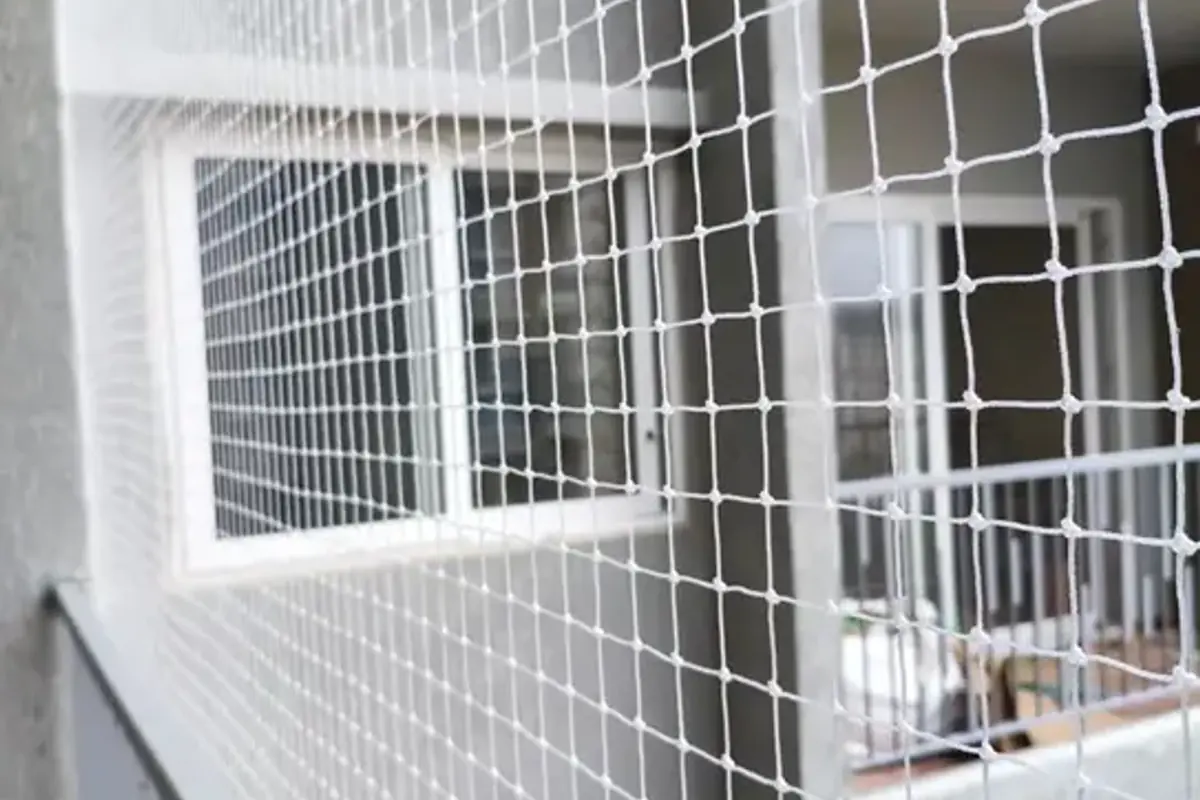
Pigeon nets, anti-bird nets and bird spikes are different
Pigeon netting is suitable when birds enter an open area. Anti-bird netting can be planned for broader mixed-bird activity across shafts, vents and large openings. Bird spikes are more appropriate for selected narrow surfaces used only as perches.
Spikes should not be treated as a replacement for full netting when birds can fly through a balcony, duct or shaft opening.
What should the installer check?
- The actual landing, entry and nesting routes
- Top corners, side returns and lower spaces
- AC brackets, pipes, ledges and duct mouths
- Mesh construction, visibility and outdoor suitability
- Cleaning, drainage and future AC-service access
- Occupied nests, live birds and places where a bird could become trapped
Pigeon-net service in five major cities
Frequently asked questions
Will pigeon netting harm the birds?
A correctly installed exclusion net acts as a barrier rather than a trap. The opening must be inspected before closure so no live bird or occupied nest is sealed inside.
Can pigeons enter around the side of the net?
Yes, when side returns, upper corners or pipe gaps remain uncovered. The entire perimeter should be checked before handover.
Is a transparent pigeon net completely invisible?
No. Low-visibility mesh can look discreet from normal viewing distance, but it is still visible at close range and in certain light.
Can the net be fitted around an AC unit?
Yes, provided the design leaves suitable access for servicing, cleaning, drainage and replacement of the outdoor unit.
Do bird spikes protect a complete balcony?
No. Spikes discourage landing on suitable narrow surfaces. A complete open balcony normally requires measured net coverage.
How should pigeon nets be maintained?
Inspect the mesh and border after exterior painting, AC work, severe weather or visible damage. Repair a loose corner before birds begin using it again.
Pigeons returning after repeated cleaning?
Send photographs showing the balcony front, side gaps, AC ledge and the area where droppings collect.
Explore EverSafe Services Request Pigeon-Net Help


Comments
Post a Comment