Terrace Safety Nets for Rooftops, Parapets, Shafts and Tank Areas
EverSafe Rooftop Safety Guide
Terrace Safety Nets for Rooftop Edges, Shafts and Tank Areas
Terrace protection should cover exposed roof-level risks without blocking water tanks, solar equipment, drying areas, drainage or maintenance movement.
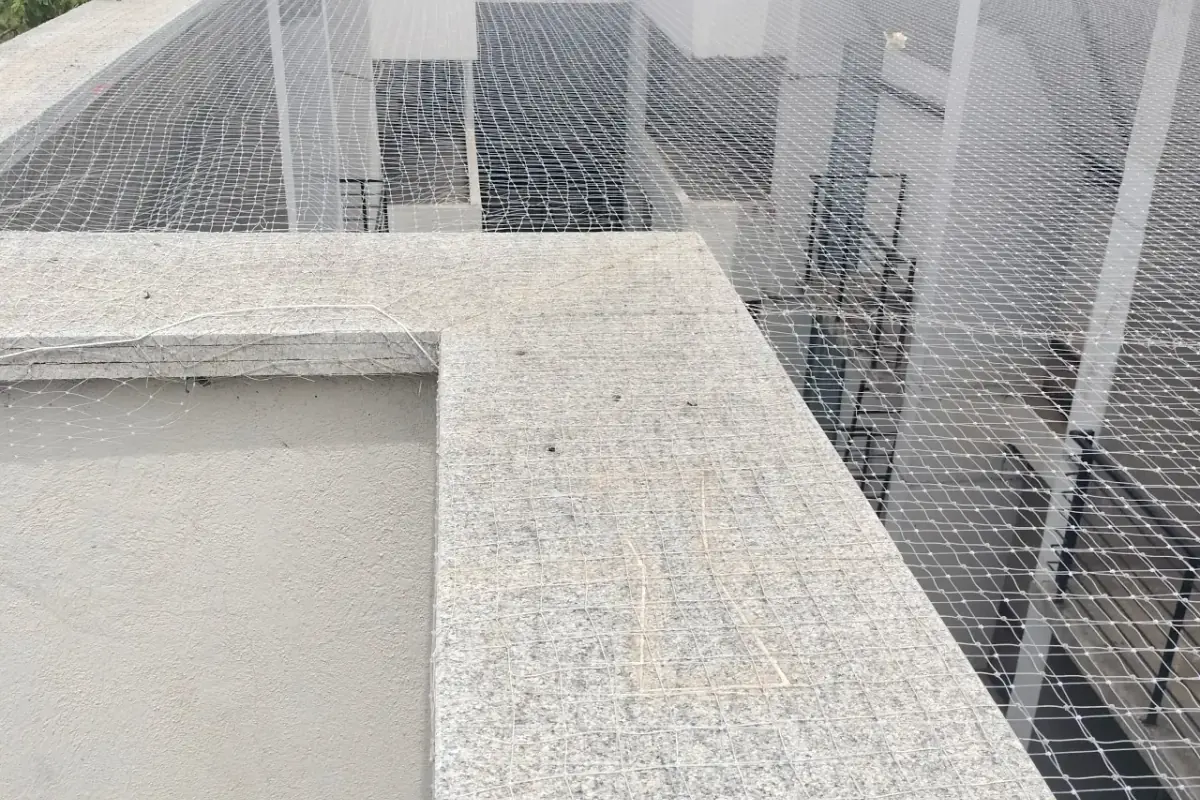
Terrace safety nets and covering nets can be planned for rooftop edges, low parapets, stair-head gaps, open shafts, tank-side spaces and other selected roof-level openings.
Terrace work is different from covering a normal balcony. Rooftops usually have larger spans, stronger weather exposure and several movement routes that must remain accessible after installation.
Begin with how the rooftop is actually used
- Walking routes used by residents and maintenance staff
- Water-tank cleaning, ladders and service access
- Solar panels, equipment and electrical clearances
- Drying areas, clothes lines, plants and seating
- Low parapets, corners, shafts and stair-head gaps
- Drainage routes, wind exposure and suitable anchor locations
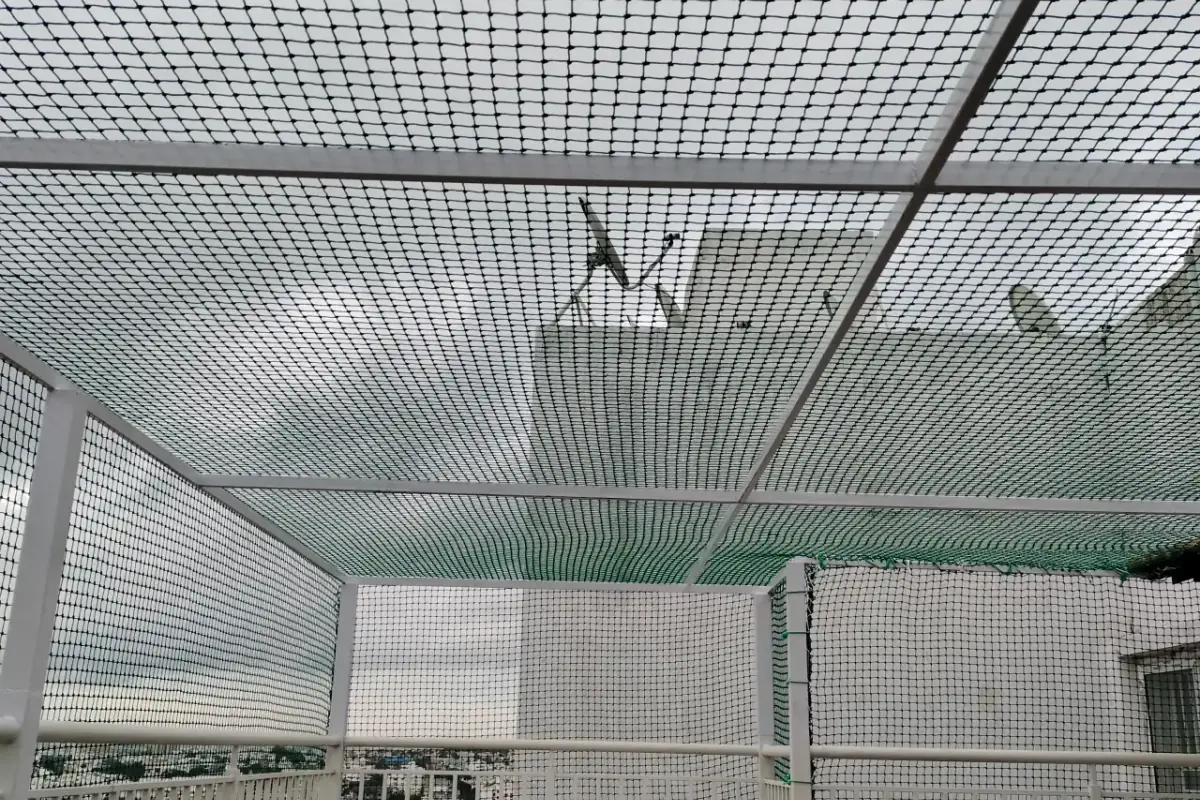
Vertical edge protection and overhead covering
A vertical net can help close an exposed parapet or side edge. Horizontal or overhead covering may be considered for selected shafts, courtyards, bird-entry routes or supported open spaces. These arrangements apply different forces to the border and anchors, so one fixing pattern should not be copied automatically from another project.
Removable or planned-access sections may be needed near tanks, solar systems or service equipment. These access points should be agreed before the final net is tensioned.
Choose the service according to the real risk
Terrace safety nets address roof-level edges and openings. Monkey-entry routes, pigeon nesting, falling coconuts and escaping sports balls may need different materials and installation plans.
Terrace-net installation in five major cities
Frequently asked questions
Are terrace nets the same as balcony nets?
No. Terrace work usually involves larger spans, rooftop weather exposure, shafts, parapets and maintenance routes that need a separate fixing plan.
Can tank access remain open?
Yes. Tank-cleaning routes can be kept clear or provided with a properly planned removable or openable section where suitable.
Can an open shaft be covered separately?
Yes. Shaft mouths and stair-head openings can be measured as individual sections with their own border and anchor requirements.
Will a terrace net block normal rooftop use?
It should not when walking routes, clothes lines, drains, tank access and equipment servicing are considered before fitting.
Does terrace netting also stop monkeys?
Not automatically. Active monkey routes may require stronger, route-specific netting and a different fixing strategy.
What affects the terrace-net quotation?
Span size, number of openings, parapet height, anchor surface, wind exposure, access, material, supporting structure and removable sections can all affect cost.
Need a rooftop opening reviewed?
Send photographs of the parapets, shafts, stair-head, tank route, equipment and complete terrace layout.
Visit EverSafe Safety Nets Request Terrace-Net Help


Comments
Post a Comment